
Exploring the psychology behind casino games
The Allure of Winning
The thrill of potentially winning large sums of money lies at the heart of the appeal of casino games. For many players, the idea of striking it rich with a single bet can create a powerful emotional response. This excitement is often amplified by the dramatic atmosphere of casinos, with their bright lights and sounds that engage the senses and elicit feelings of anticipation. The psychology of reinforcement plays a crucial role here; when a player wins, even a small amount, it reinforces their behavior and encourages further gambling. Some players also find that platforms like 1win offer a variety of options to enhance their experience. This scenario is a classic example of operant conditioning, where a reward following a behavior increases the likelihood of that behavior being repeated. The more players win, the more they associate gambling with positive feelings, creating a cycle that keeps them returning for more.
Moreover, the concept of intermittent reinforcement, where players win occasionally rather than consistently, significantly heightens the allure. This unpredictability keeps the excitement alive, as players are driven by the hope of a big win. Research suggests that this psychological phenomenon can create a gambling habit due to its addictive nature, as players find themselves returning to the gaming tables for just one more chance at victory. The brain’s dopamine response during such moments is akin to that experienced by individuals engaging in other forms of addiction, highlighting the compelling nature of gambling. The anticipation of a potential win, coupled with the thrill of the game, creates an intoxicating mix that draws players deeper into the casino experience.
The social environment of casinos further enhances the allure of winning. Many games are designed to be played in groups, creating a shared experience among players. This social reinforcement can make the thrill of winning feel even more exhilarating. The enjoyment of celebrating wins with fellow players can foster a sense of community, making it difficult for individuals to leave the gaming floor. This combination of competition, excitement, and camaraderie contributes to the psychological complexity of casino games and why they captivate so many people. The shared joy and collective energy in a casino can turn a solitary activity into a communal celebration, intensifying the overall experience.
Risk Tolerance and Decision-Making
The psychology of risk-taking is central to understanding how individuals engage with casino games. Each game presents a unique set of risks and rewards, and individuals approach these situations with varied levels of risk tolerance. Some players are thrill-seekers who revel in the excitement of taking chances, while others may be more cautious, weighing their options carefully before placing a bet. This divergence in decision-making can be influenced by several factors, including personality traits, past experiences, and even emotional states at the moment of play. Understanding these differences is crucial for both players and operators in the gaming industry, as they can alter strategies and offerings to cater to diverse audiences.
Cognitive biases also play a significant role in how players perceive risk during gambling. For example, the illusion of control bias leads players to believe they have more influence over the outcomes than they actually do. This can result in overconfidence, causing individuals to take on more risks than they would in other situations. Furthermore, the sunk cost fallacy can impact decision-making; players may continue to gamble in hopes of recouping their losses instead of walking away. These cognitive biases can create a cycle of gambling behavior that is challenging to break, leading to potentially harmful consequences for players who struggle with their decisions.
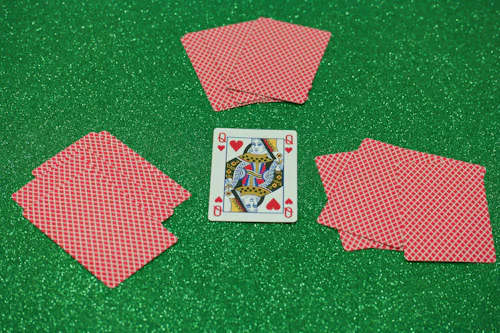
The role of emotion in decision-making cannot be overlooked. Many players make choices based on how they feel at the moment rather than rational analysis. Emotional highs from winning or lows from losing can cloud judgment and lead to impulsive decisions. This emotional rollercoaster can significantly impact a player’s overall experience in casinos, often resulting in an attachment to gambling that influences their future engagements. Understanding these psychological undercurrents is essential for grasping how individuals navigate the complex world of casino games and can be a vital component in developing responsible gaming practices.
The Impact of Environment on Gameplay
The environment within a casino is meticulously crafted to enhance the gaming experience and influence player behavior. Factors such as lighting, sound, and layout are strategically designed to create a stimulating atmosphere that encourages prolonged play. Bright lights and vibrant colors attract attention, while the sounds of coins dropping and machines paying out evoke excitement. This sensory-overload environment can create a disorienting effect, making it easy for players to lose track of time and money spent. The design elements are not random; they are carefully planned to maintain a high level of engagement and to keep players in the gaming area.
Furthermore, the design of casino games themselves often involves elements that enhance the excitement of the environment. Game mechanics, such as near misses, can trick players into believing they are closer to winning, encouraging them to keep playing. This technique exploits psychological expectations and reinforces the idea that a win could be just around the corner. By creating a captivating atmosphere, casinos effectively harness the psychology of engagement to draw players deeper into the experience. This manipulation of perception is a powerful tool that casinos use to maintain player interest and investment.
Additionally, the social aspects of gambling are amplified by the casino environment. Players often interact with staff and other gamblers, fostering a sense of community even among strangers. This social component can add an extra layer of enjoyment to the experience, allowing individuals to share in each other’s successes and failures. Such interactions contribute to an emotional connection with the game, further binding players to their gaming choices and increasing the likelihood of returning to the casino in the future. The friendships and social networks formed in these environments can create a sense of belonging that enhances the overall gambling experience.
The Role of Skill Versus Chance
In many casino games, a tension exists between skill and chance, significantly affecting players’ psychological alignment with these games. Games like poker or blackjack require a certain level of skill, strategy, and knowledge of probabilities, which can appeal to those who enjoy intellectual challenges. Players often feel a greater sense of control and accomplishment when skill governs their success, leading to repeated engagement due to the feeling of competence achieved through mastery of the game. This desire for skill-based outcomes can lead to deeper investment and a more strategic approach to gameplay.
Conversely, games predominantly based on chance, like slot machines, rely on randomness and luck, luring players with the promise of sporadic wins. This dichotomy raises interesting questions about player preferences in casino settings. Some players may gravitate towards skill-based games seeking agency and the thrill of competition, while others might prefer the passive enjoyment of chance-based games. The differing psychological responses to these game types illustrate the diverse motivations behind gambling behavior. Understanding these preferences can help casinos tailor their offerings to meet the desires of different player demographics.
Additionally, this interplay between skill and chance can influence how players perceive their wins and losses. Skill-based players may experience frustration from a loss if they feel they made the right strategic decisions. On the other hand, chance-based players might internalize losses without the same sense of responsibility, attributing their fate to luck rather than skill. This distinction shapes their overall gambling experience and informs their approach to future games, emphasizing the psychological complexities underlying casino gaming. Recognizing these differences can be essential for both players and casino operators in fostering a positive gaming environment.
Understanding the Player Journey on Our Website
Navigating the world of casino games can be an enriching yet complex journey for players. Our website is dedicated to illuminating the various aspects of gambling psychology and providing insights to help players make informed decisions. We focus on understanding the interplay between emotional, cognitive, and social factors that influence gambling behavior. This knowledge not only enhances the gaming experience but also empowers players to approach gambling responsibly. By fostering an informed player base, we aim to create a more sustainable gaming culture.
We offer a wealth of resources designed to educate players about the risks and rewards associated with casino games. From articles detailing the psychological principles at play to tips on managing budgets and understanding the odds, our goal is to equip players with the information they need to navigate their gaming experiences confidently. By emphasizing responsible gaming practices and awareness of psychological factors, we aim to cultivate a healthier relationship with gambling among our users.
By exploring the rich tapestry of psychological factors involved in casino games, visitors to our website can gain a comprehensive understanding of what drives gambling behavior. Whether you are a casual player or a seasoned veteran, our resources provide valuable insights that can enhance your appreciation of the games while ensuring a mindful approach to your involvement in the gambling world. Ultimately, our commitment is to foster an informed and responsible gaming community that enhances the enjoyment of casino games while minimizing potential pitfalls.